Categories
Profile
OAO Collaborators Press Talks Contact
Omer Arbel Office is the creative hub of a constellation of companies structured to realize ideas of varying scale and across a wide spectrum of contexts and environments.
OMER ARBEL
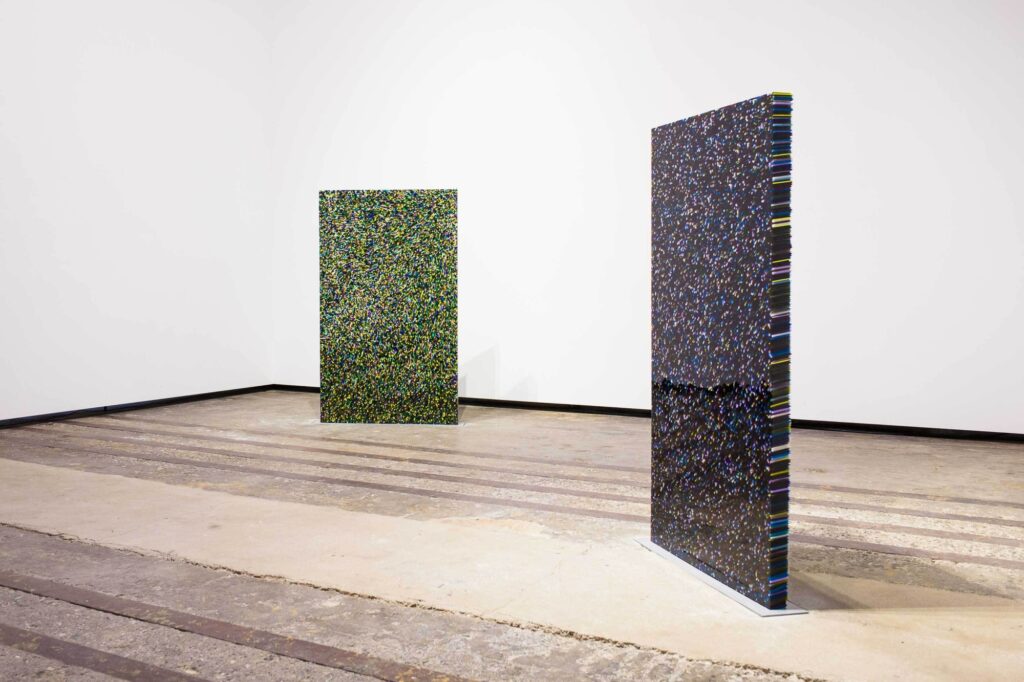
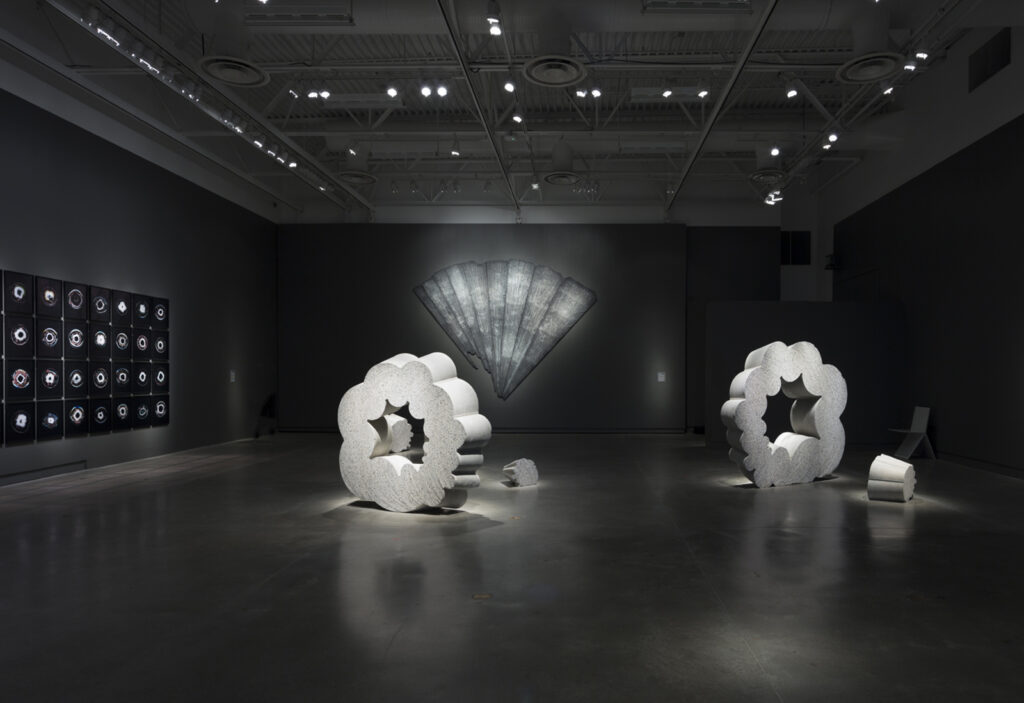
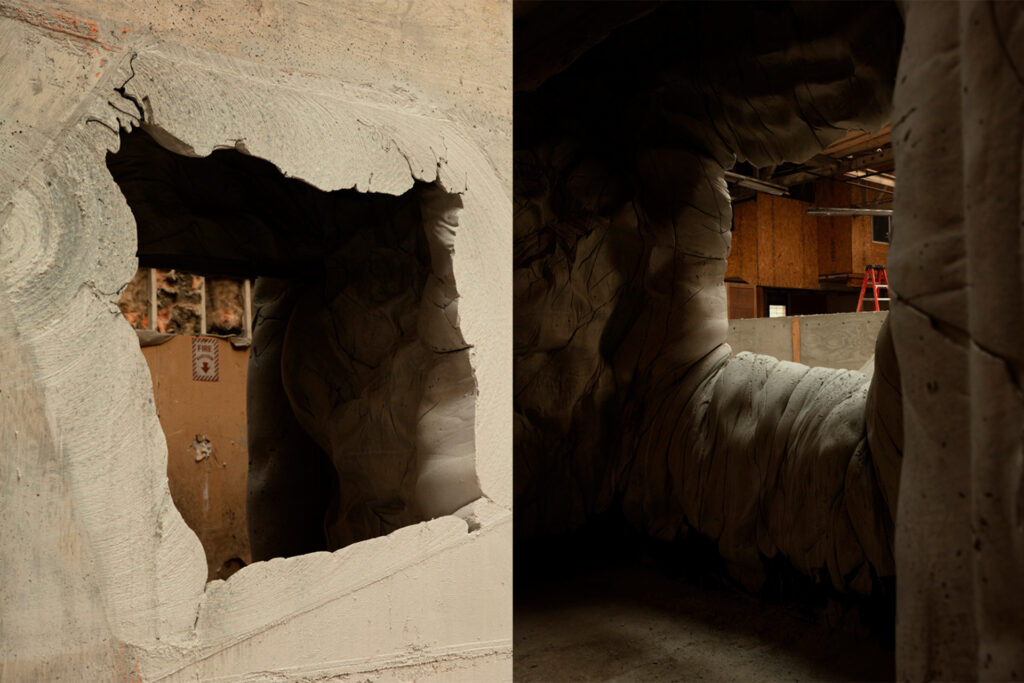
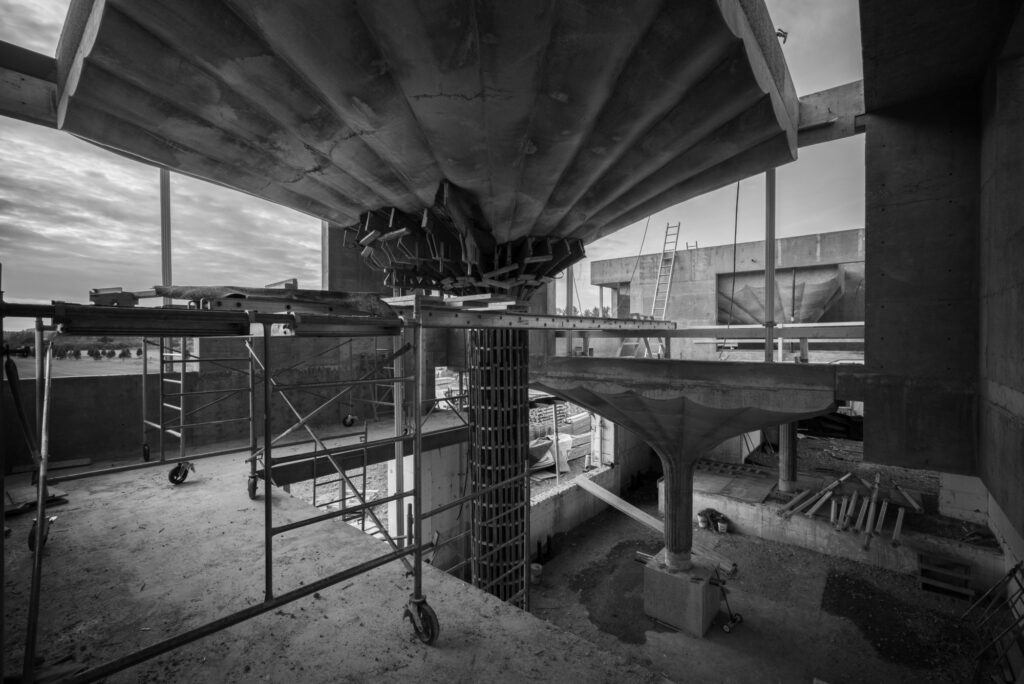
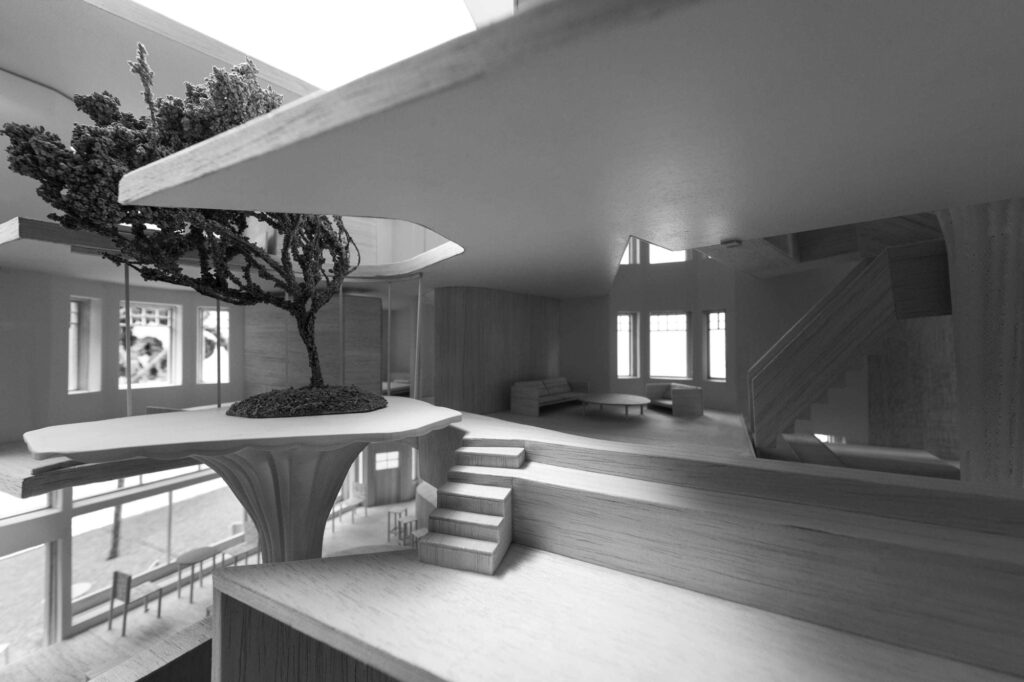
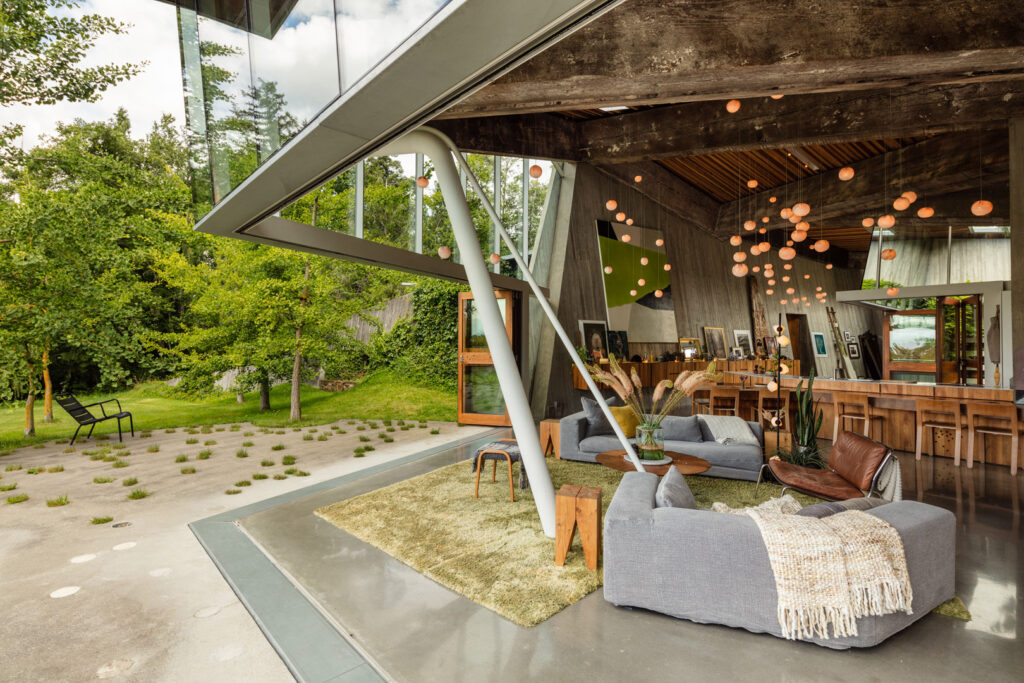
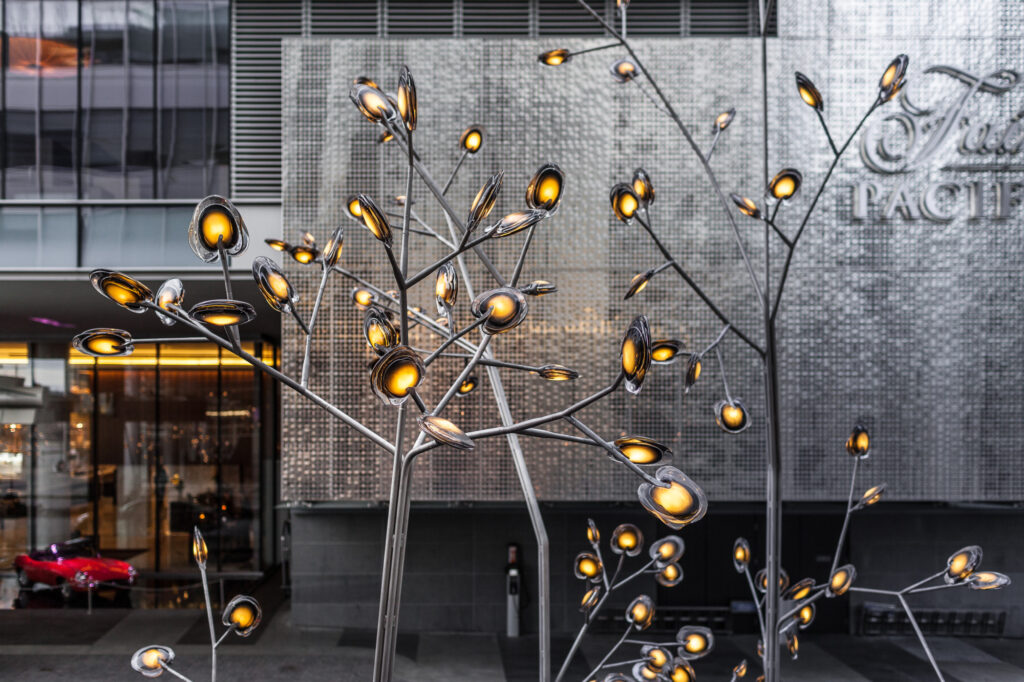
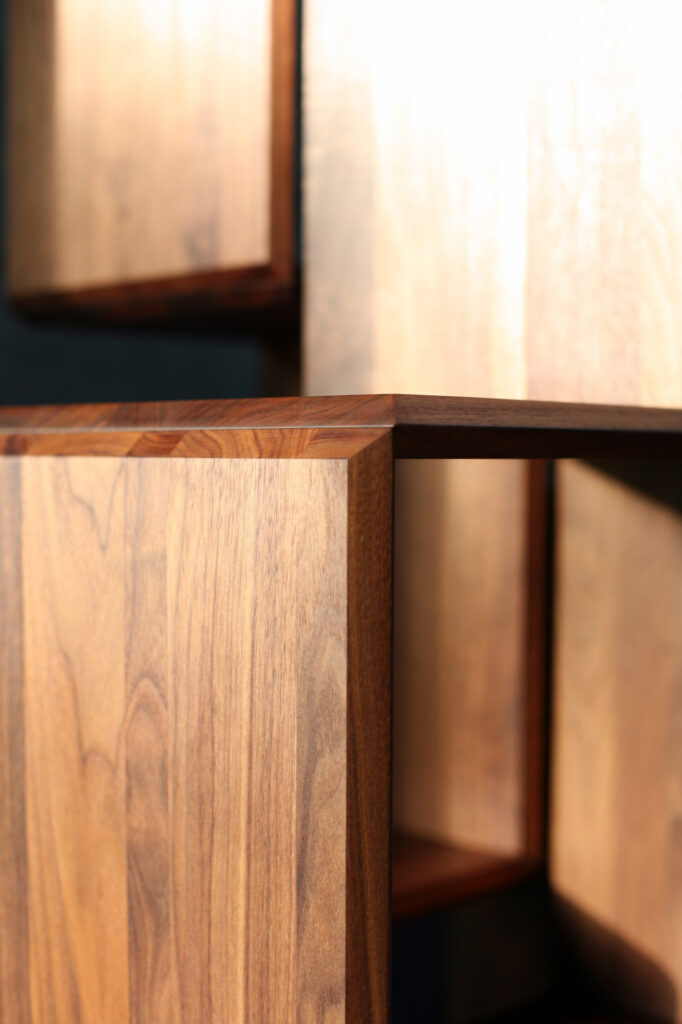
Based in Vancouver, Omer Arbel cultivates a fluid position between the fields of architecture, sculpture, invention and design. Focal themes of his work include investigation of intrinsic mechanical, physical, and chemical qualities of materials and exploration of light as a medium.
OAO WORKS
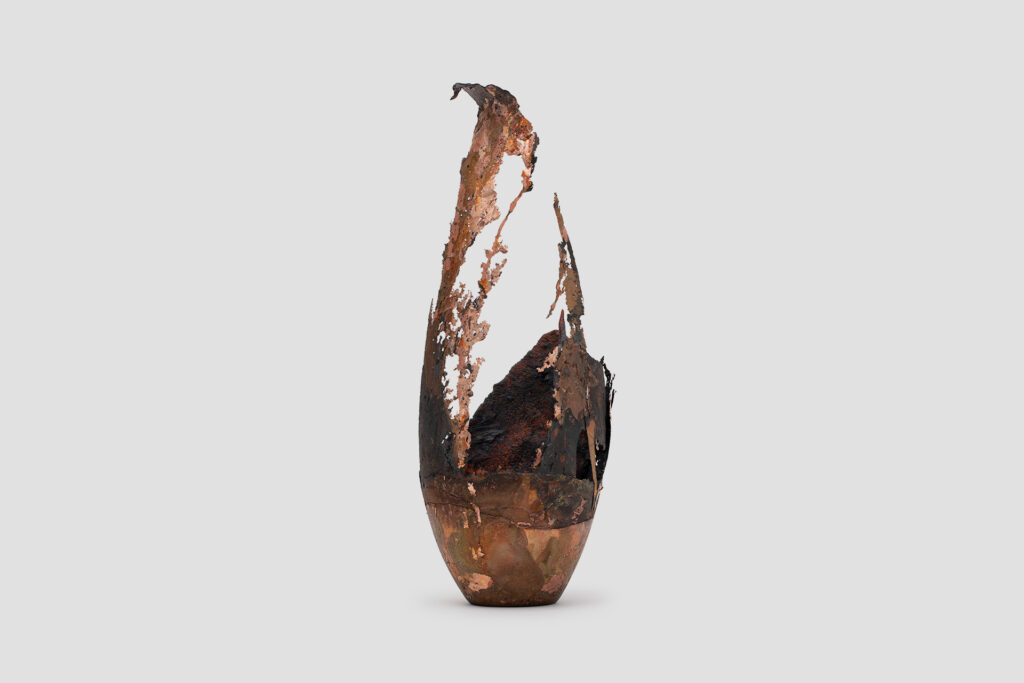
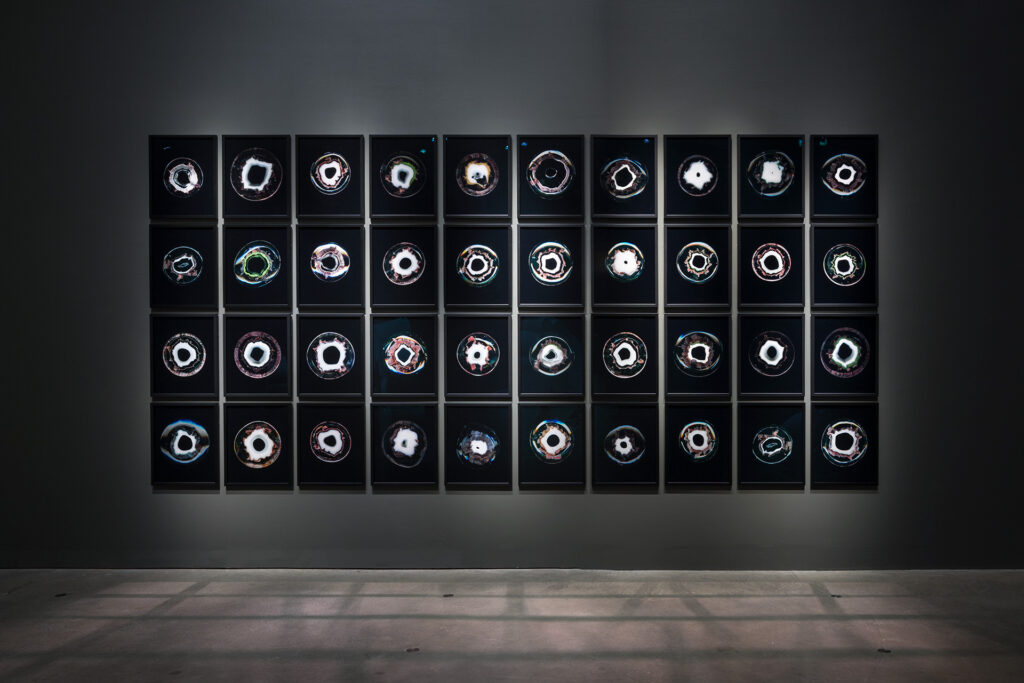
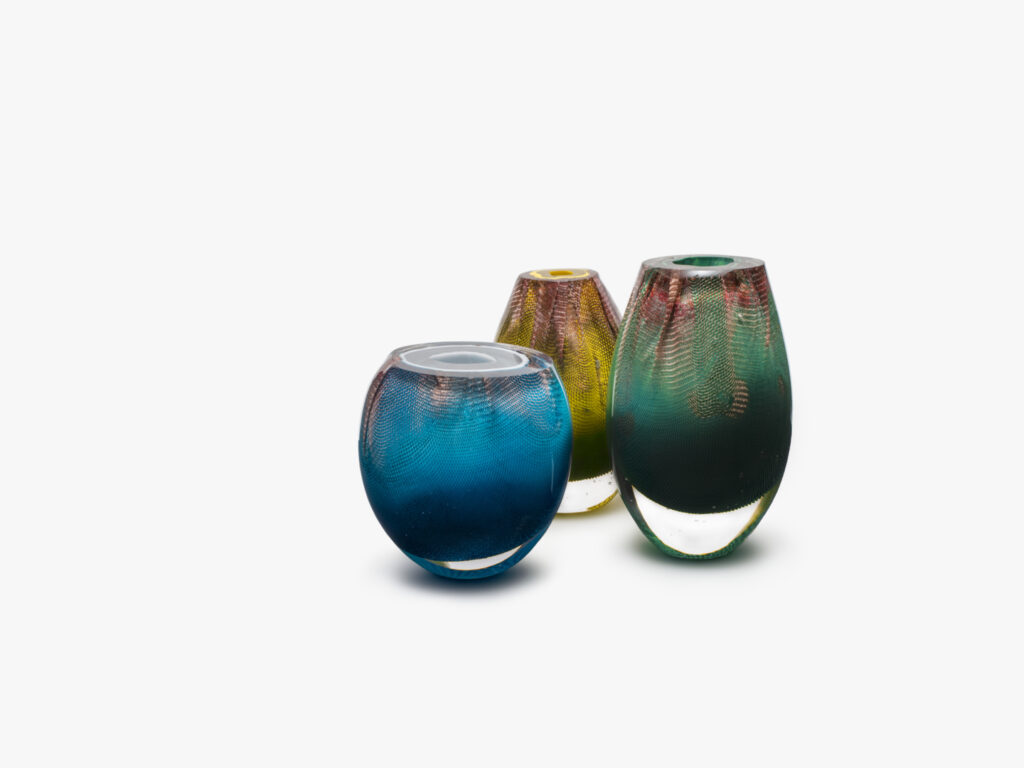
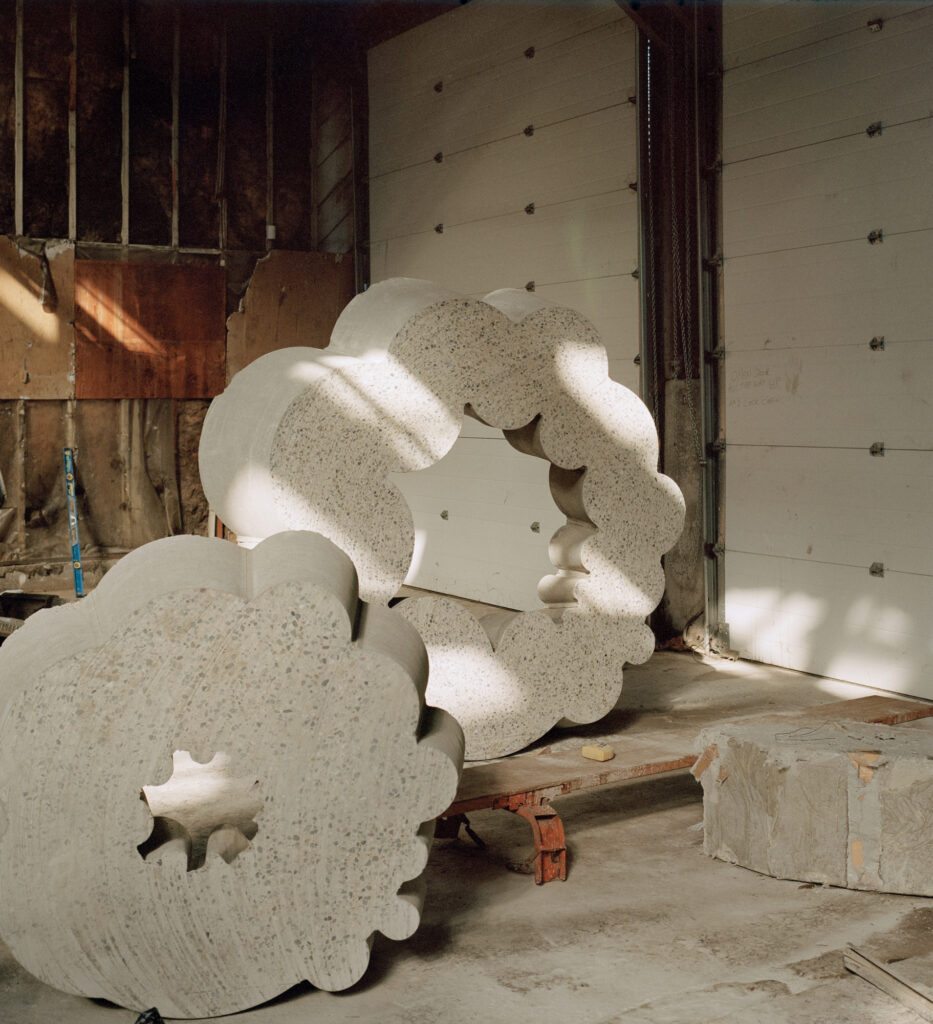
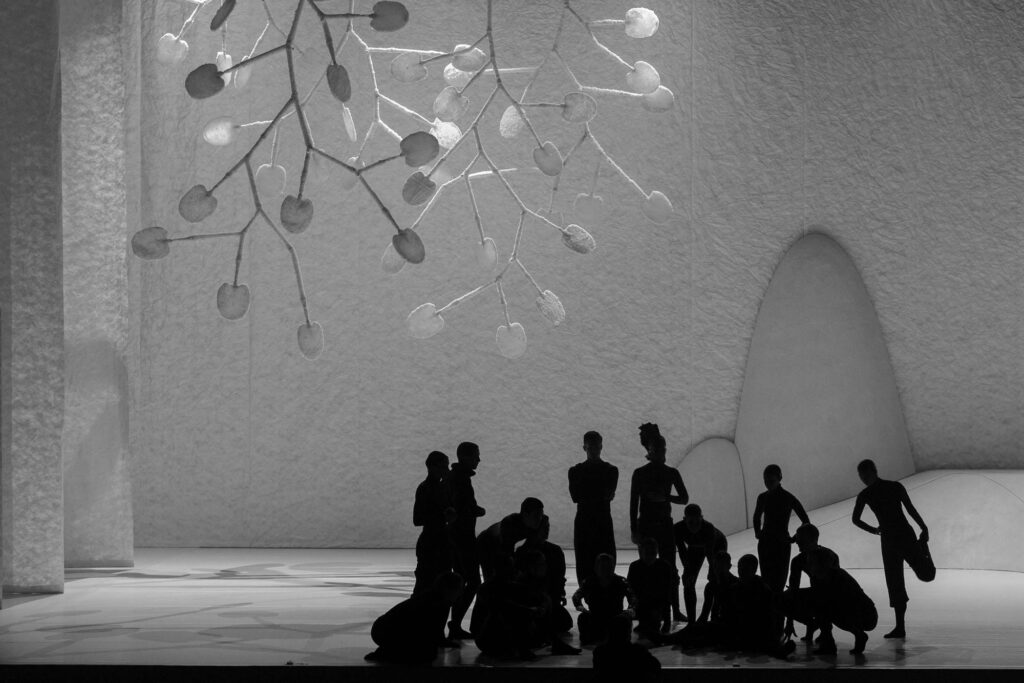
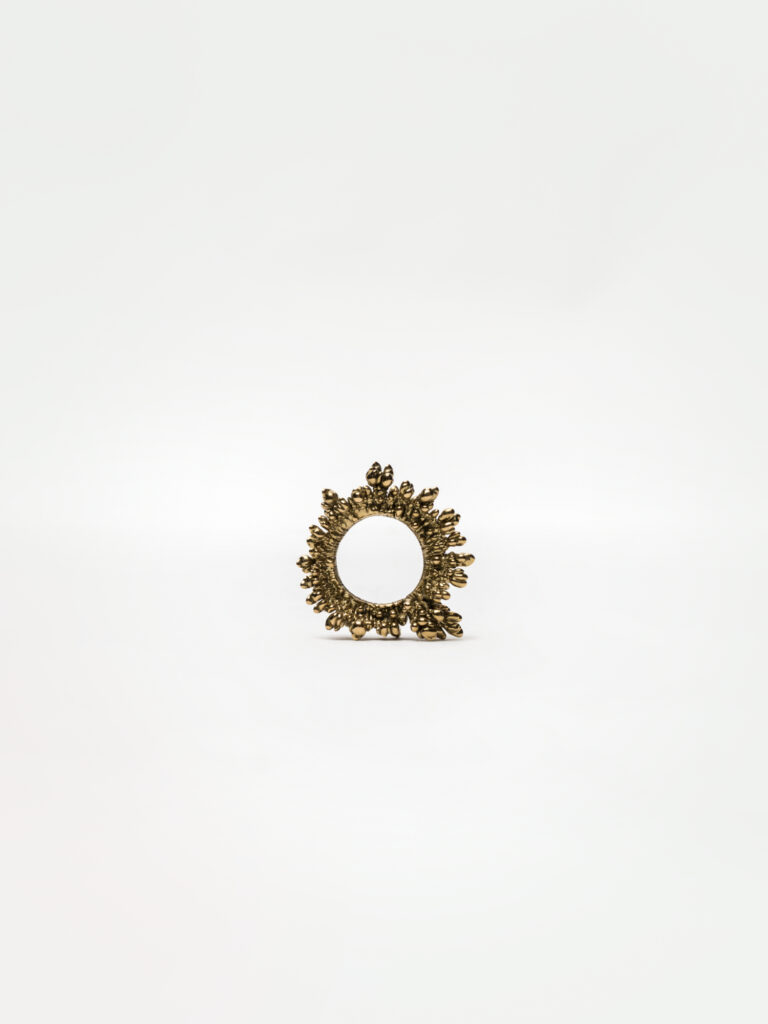
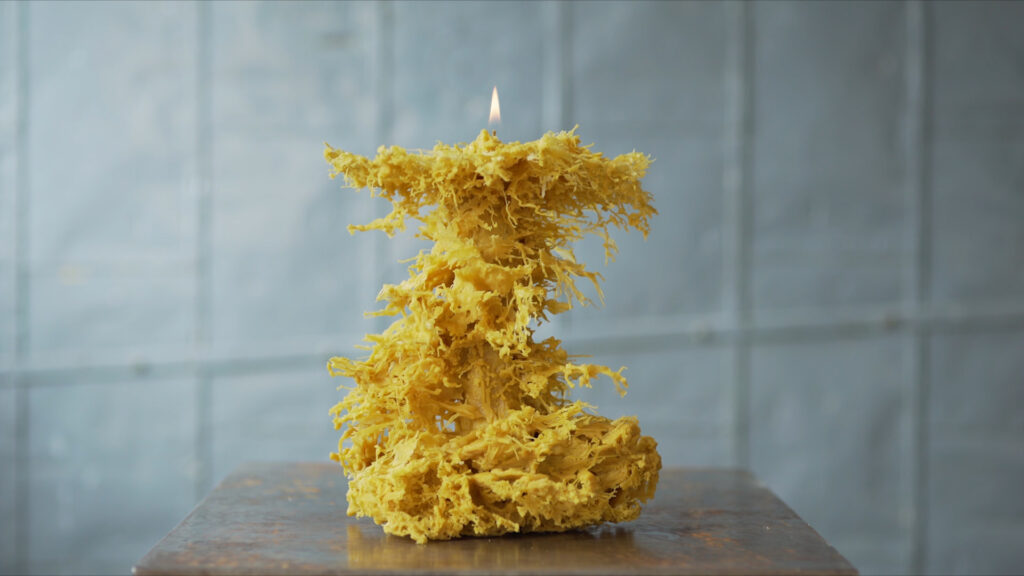
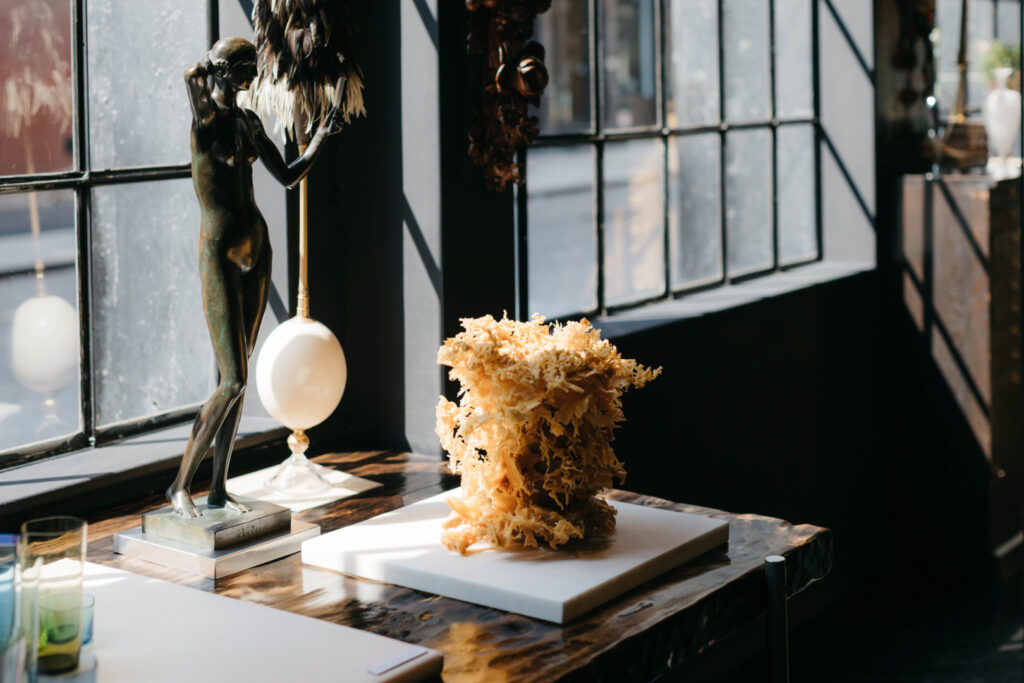
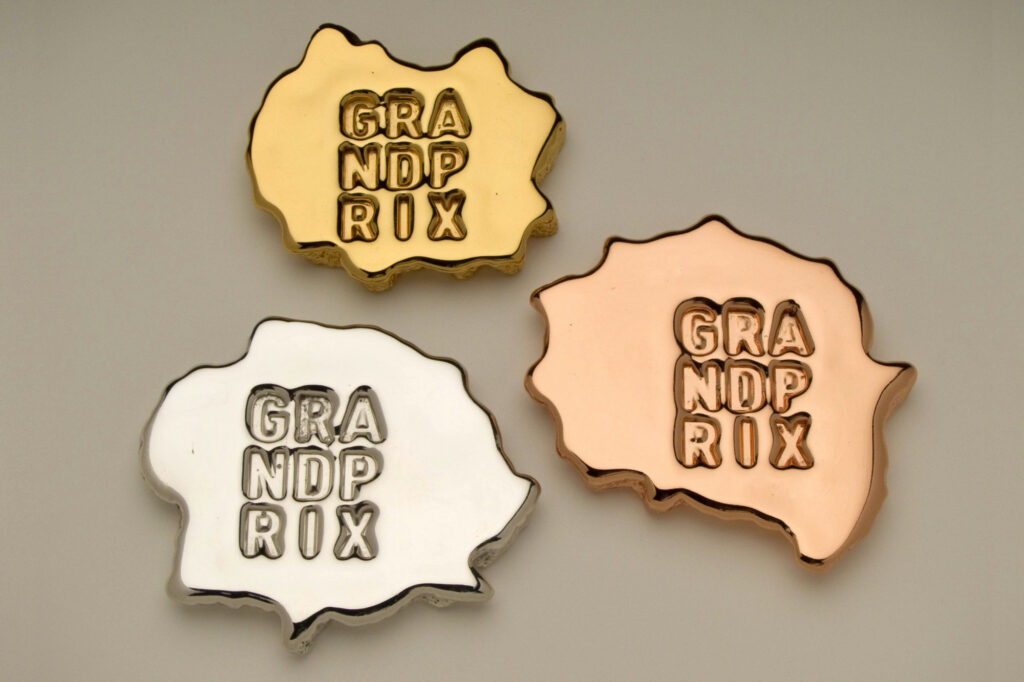
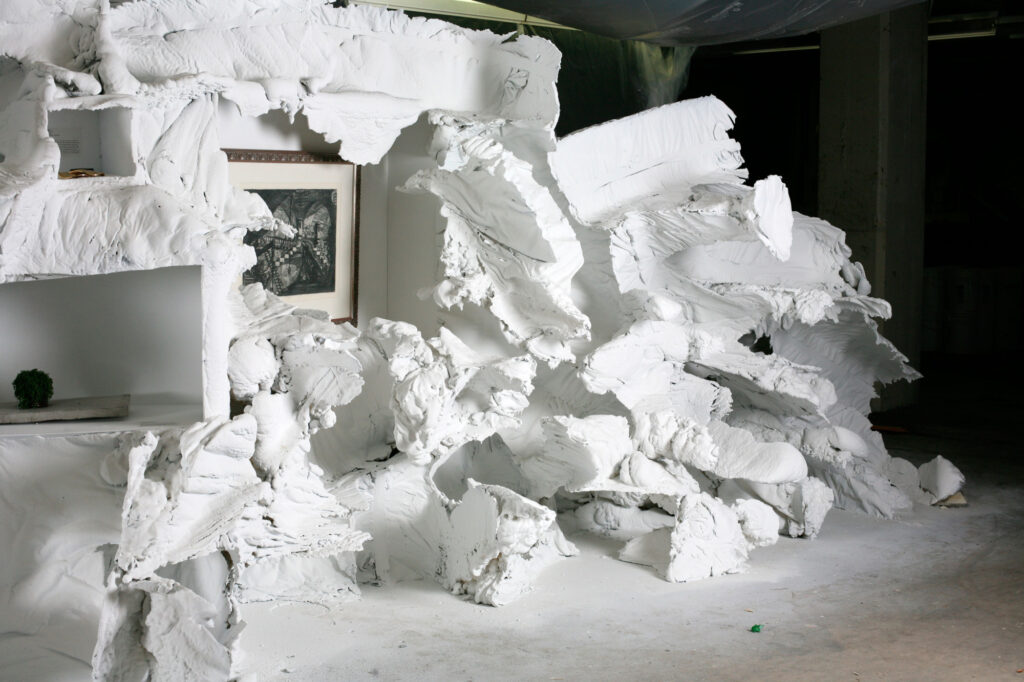
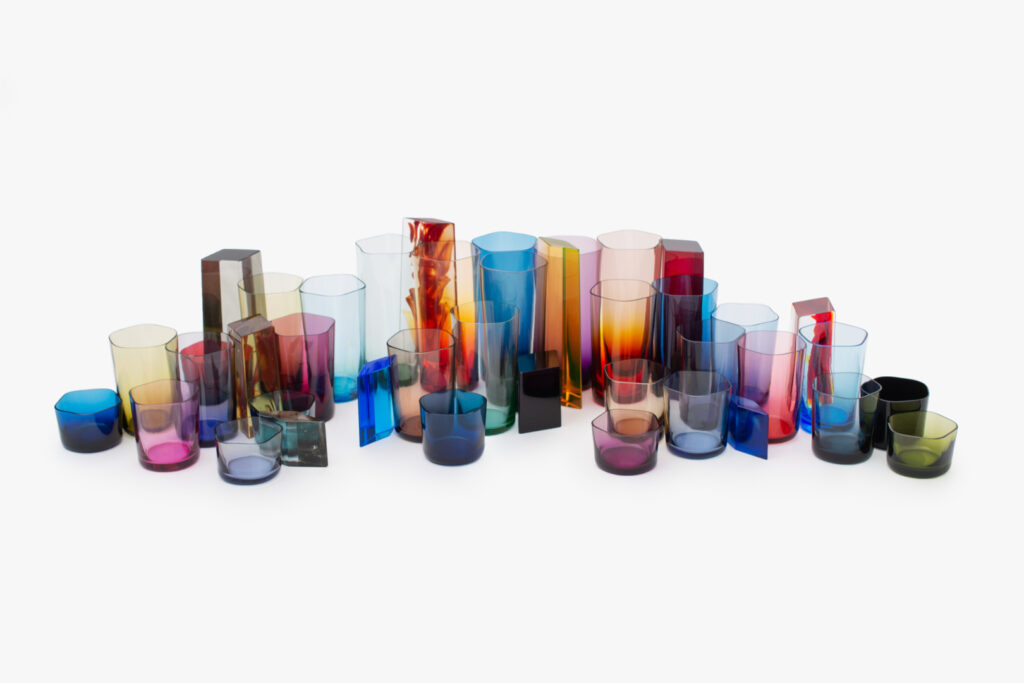
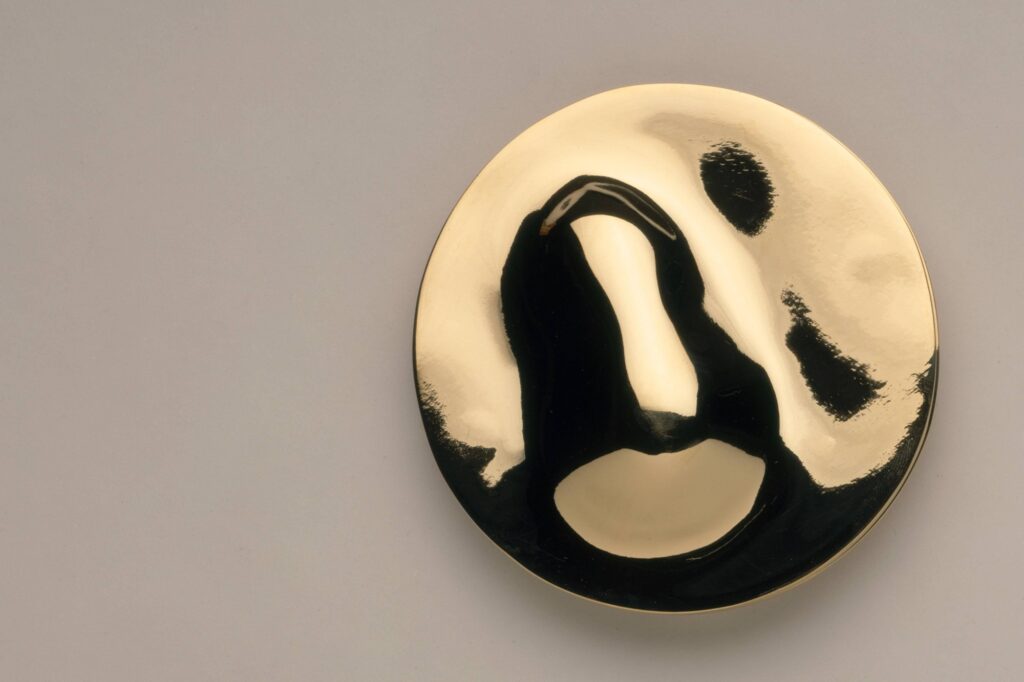
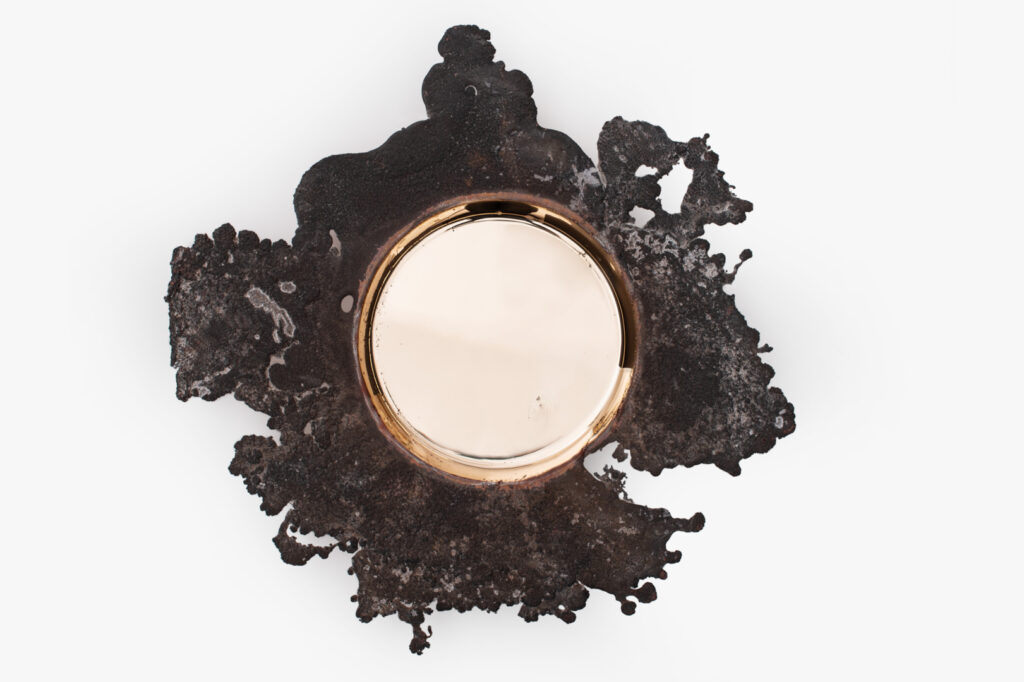
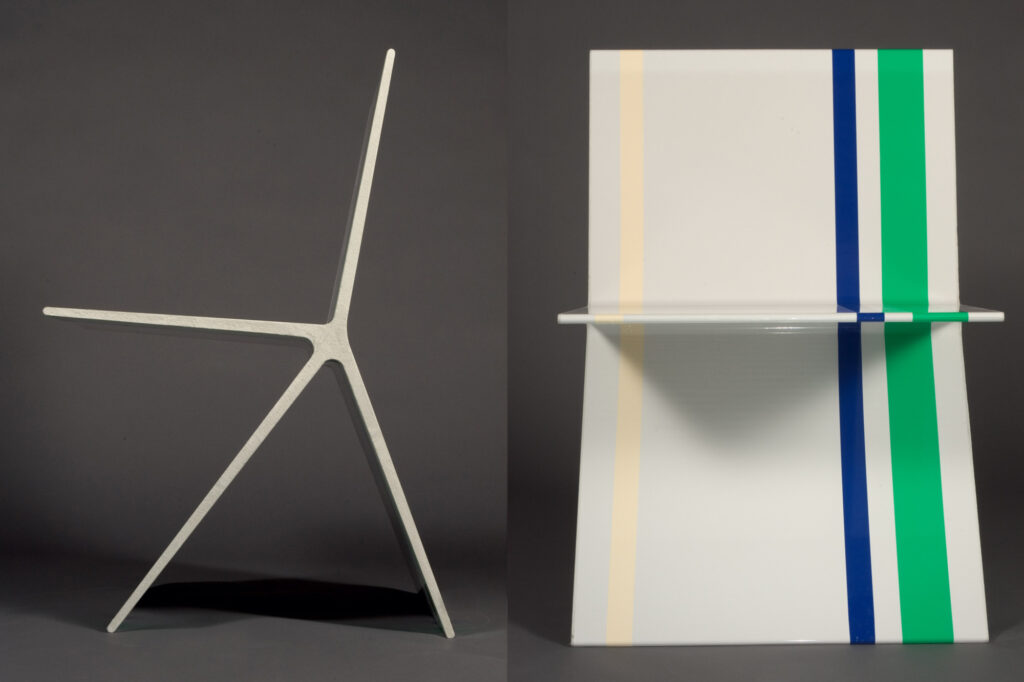
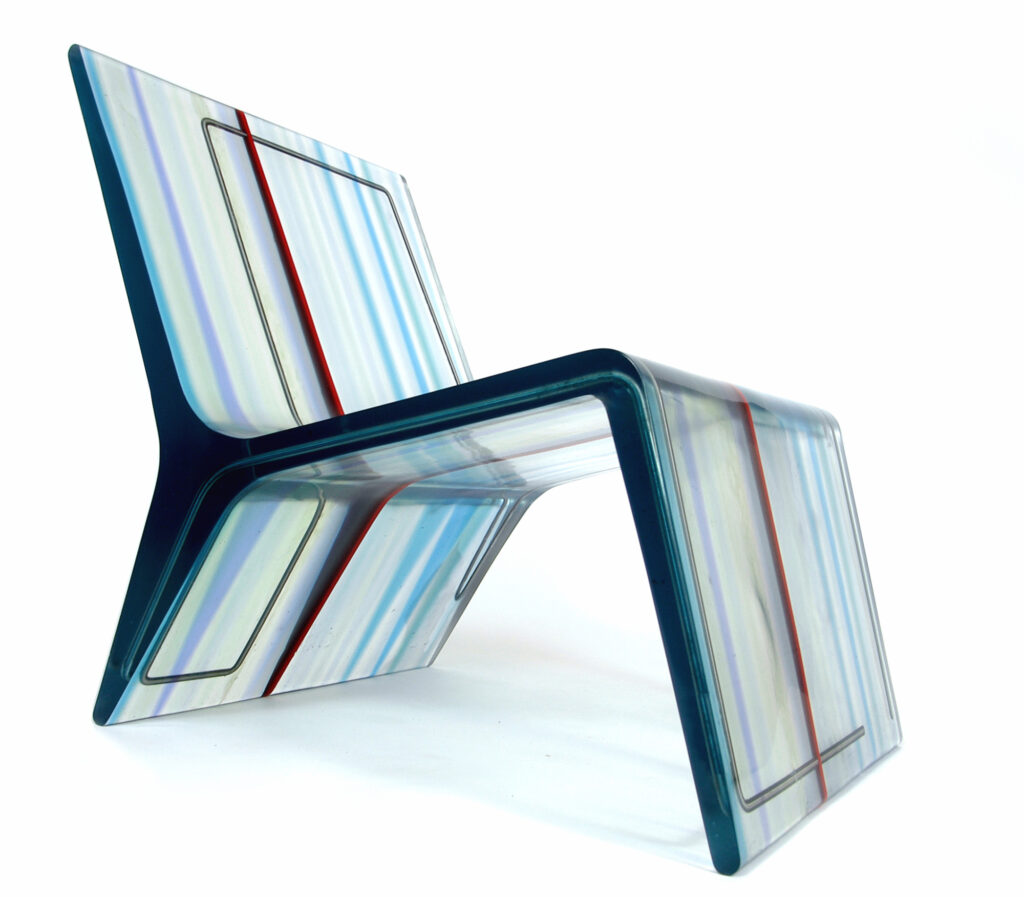
OAO Works is a loose portfolio of objects, curiosities and ideas. It is structured as a platform to highlight underrepresented themes in Omer Arbel’s work. Some of the works resist simple classification, while others are by-products of more targeted investigations. Still more are results of very particular relationships, narratives, and collaborations.
BOCCI
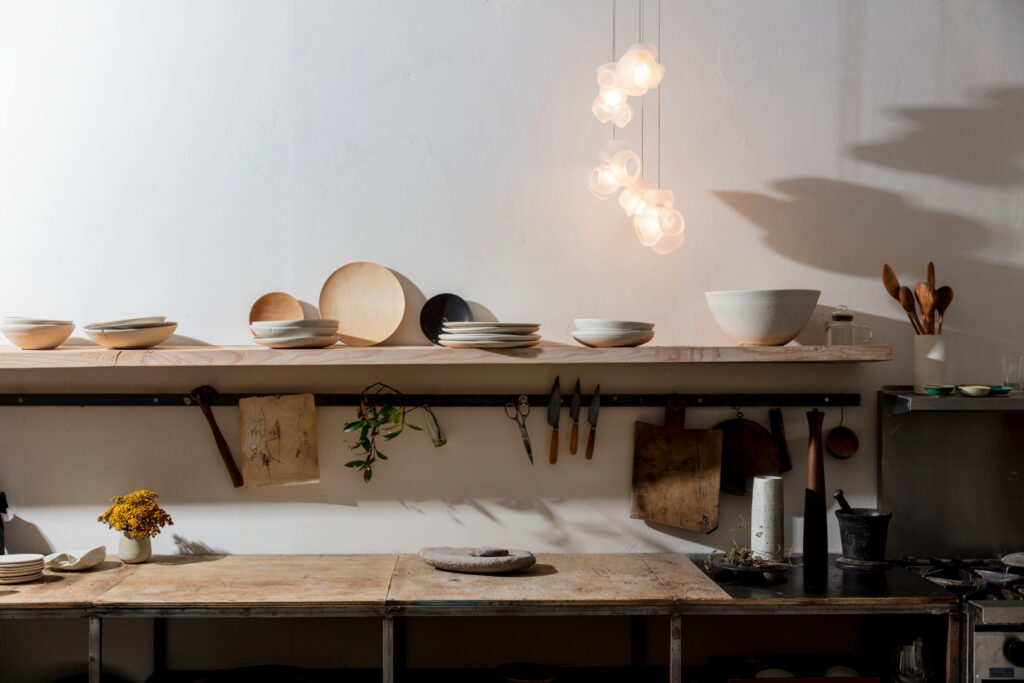
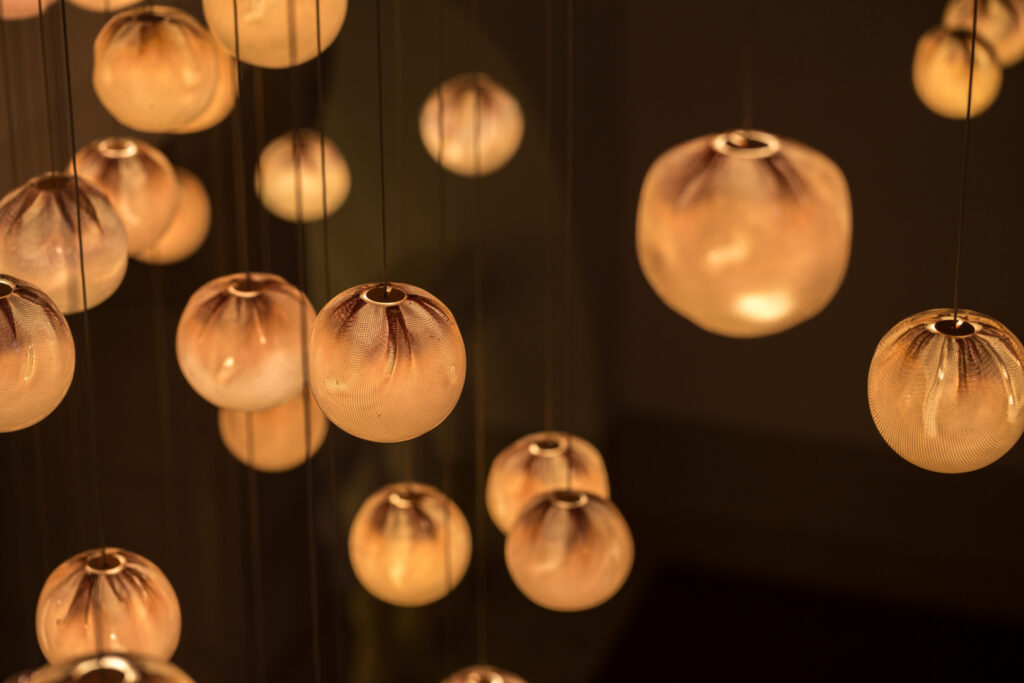
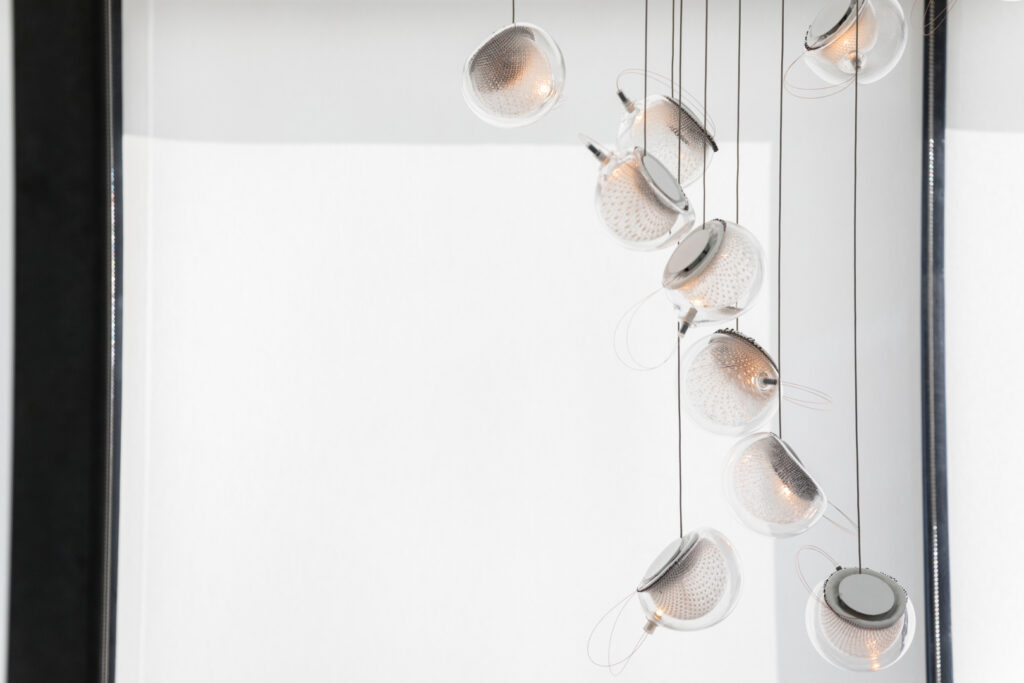
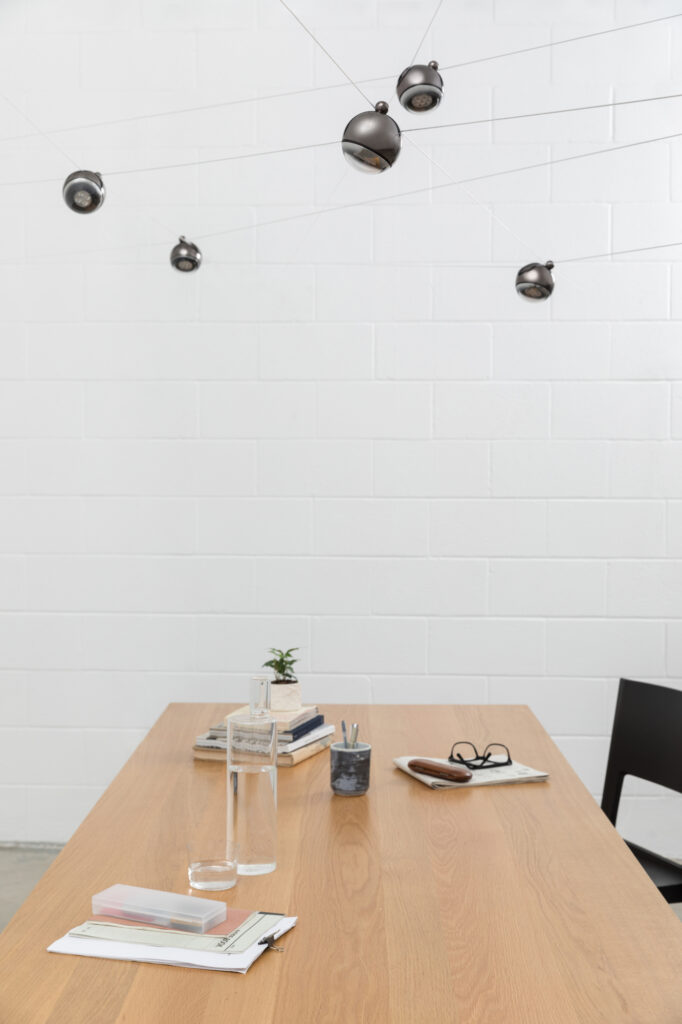
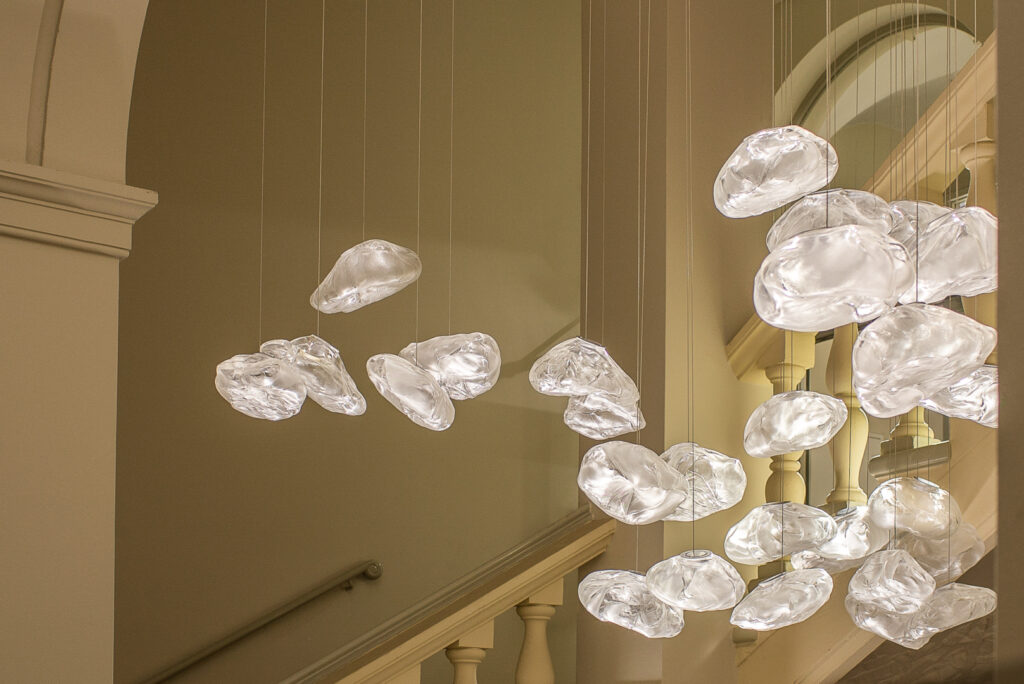
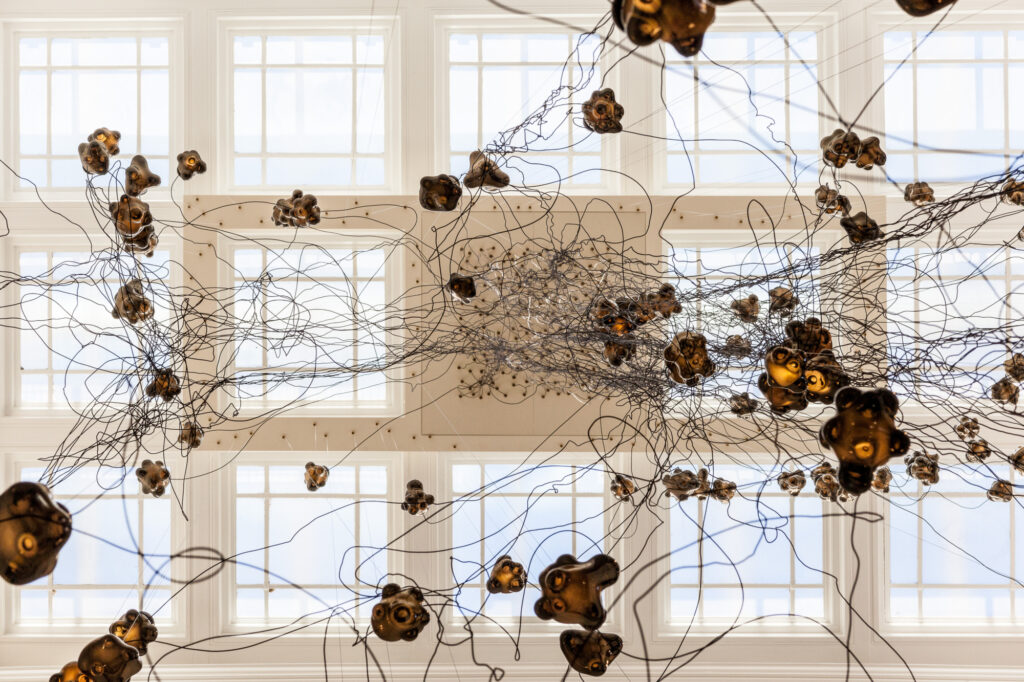
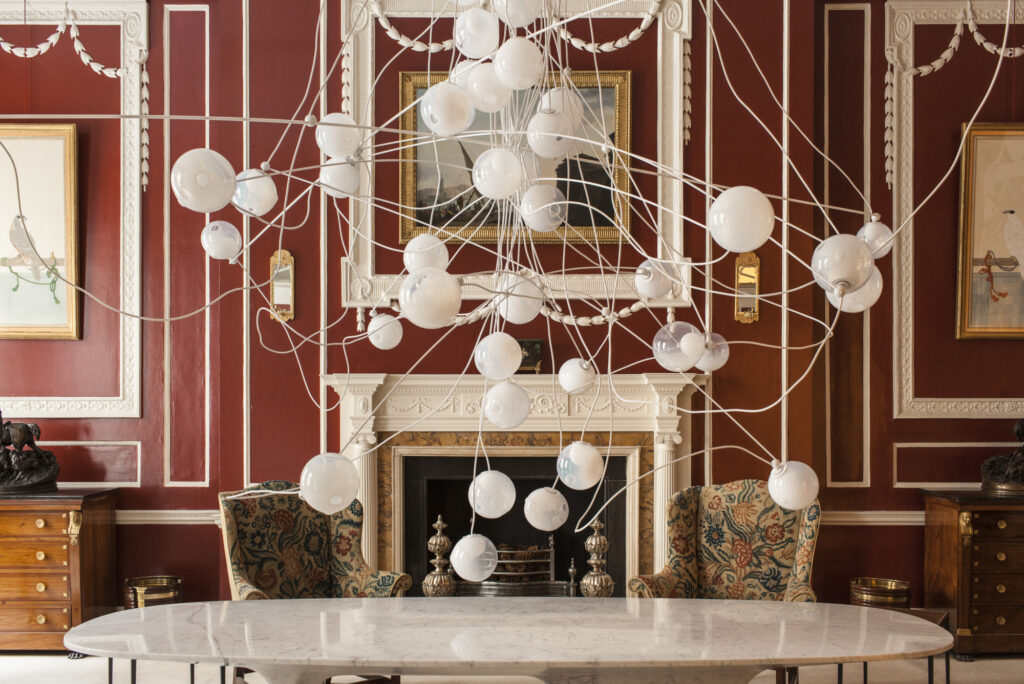
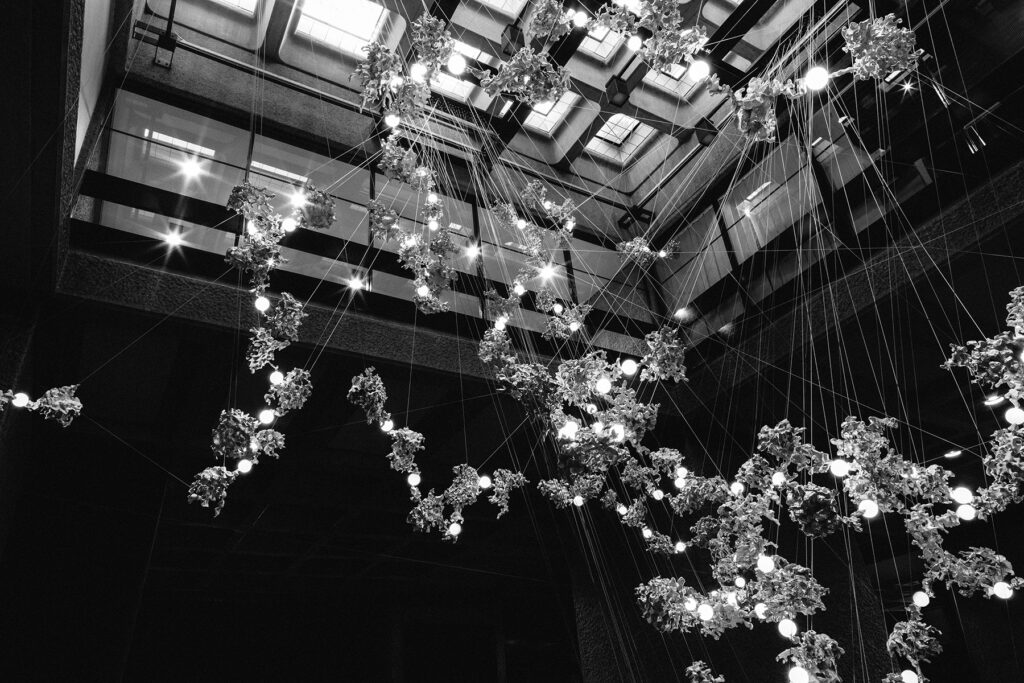
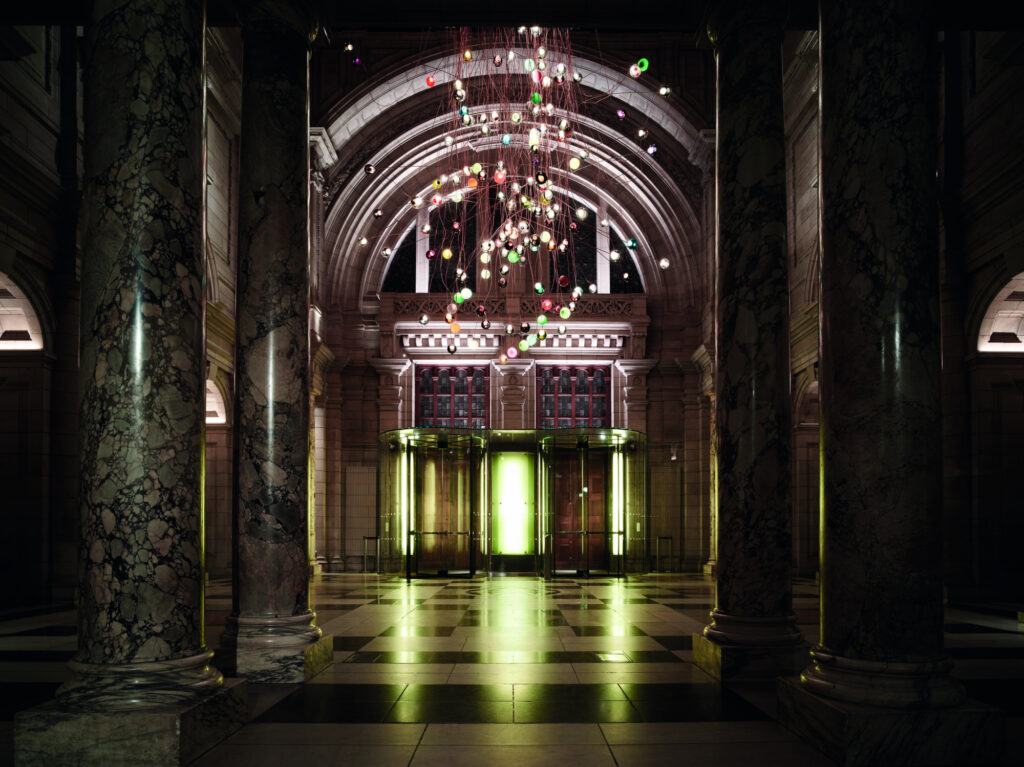
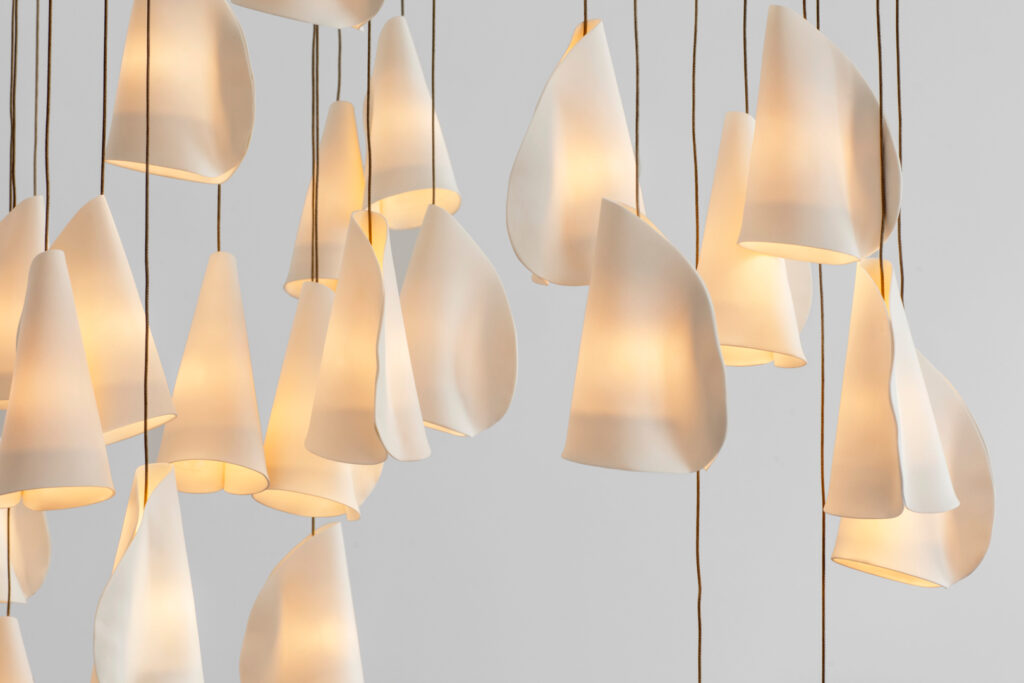
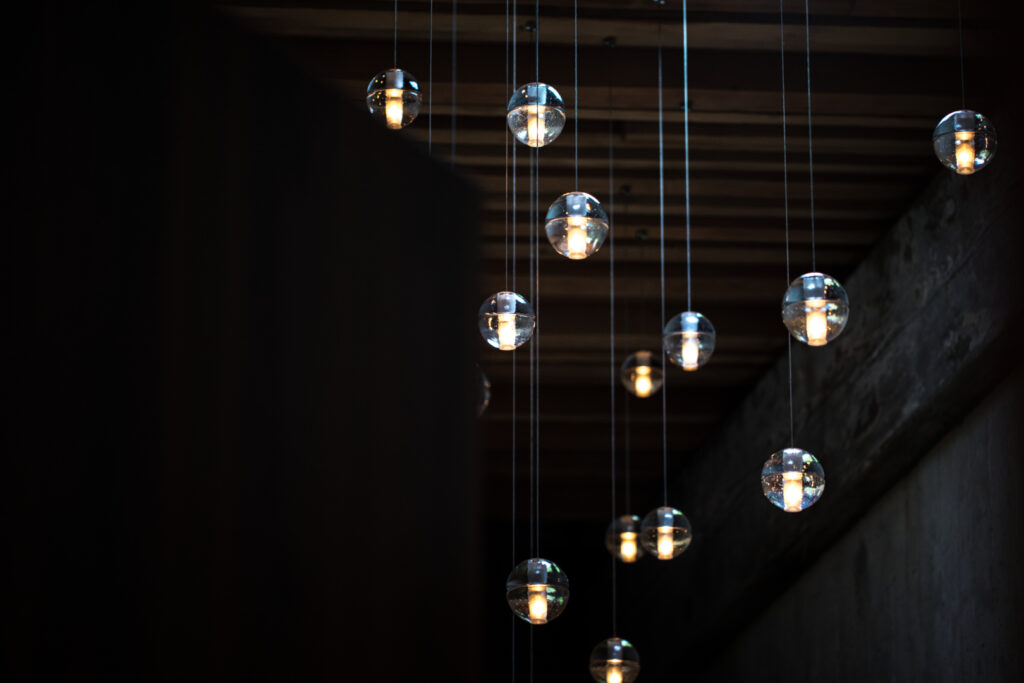
Founded in 2005, Bocci is committed to fostering a lateral and open-ended relationship between creative direction and craft. Bocci’s growing portfolio of sculptural lighting is developed, engineered and fabricated in house, through an infrastructure calibrated to provide full control over technique, quality and scale.
- Omer Arbel
- Apollinaire Au
- Randy Bishop
- Mike Bjelos
- Cailey Buye
- Mandy Chang
- Jeliane Curtis
- Mark Dennis
- Lana Dooling
- Steve Fassezke
- Luis Gil
- Austen Goodman
- Alice Han
- Gavin Haukeness
- Kevin Isherwood
- Fahim Kassam
- Kathryn Lamoureux
- Jaedan Leimert
- Jay Macdonell
- Mark MacLachlan
- Julien Mainguy
- Scott McDougall
- Aaron Miller
- Patrick Mulcahy
- Jason Murphy
- Ross Murray
- Daniel Nikitiuk
- Jaan Poldaas
- Stephanie Rebick
- Johannes Schoen
- Michael Seymour
- Paul Stewart
- Ramona Stinson
- Felicia VanDenBoogaard
- Jemma VanOsch
- Jason Wheeler
- Jasmine Whelan
- Tyler Wied
- Jay Alkana
- Christina Apel
- Michael Archer
- Derek Barnett
- Cristina Belmonte
- Raquel Blasco
- Martin Bohumel
- Brooklyn Bombardier
- Ergi Bozyigit
- Jeff Burnette
- Jesse Bromm
- James Carruthers
- Jazmin Charalambous
- Paul Christian
- Leigh Christie
- Christa Clay
- Angel Diaz
- Emma Doody
- James Douglas
- Shane Ellis
- Elsa Fernandez
- Rob Geyer
- Julian Gosper
- Jay Grandin
- Alana Green
- Soo Han
- Matt Harper
- Lee Harris
- Jeff Holmwood
- Fraser Howatson
- Spencer Hung
- Chris Kirby
- James Lee
- Chris Leeuw
- Hannes Lennartsson
- Gwenael Lewis
- Kevin Li
- Bronwyn Livingston
- Claire Lubell
- Brad Martin
- Phillipp Materna
- Deagan McDonald
- Ignacio Medina
- David Muraki
- Glenn Muxlow
- Thomas Nichini
- Carolina Nunes
- Lauren O'Gara
- Jan Poynter
- Paula Quereda
- Curro Sanz
- Jess Sarber
- Jeremy Schipper
- Graeme Smith
- Johann Tarves
- Andy Tran
- Cristina Ubeda
- Denon Vipond
- Sandy Wang
- Silja Wiener
- Christopher Wright
- Scott Wright